
Scénario d'application
Offre de produits
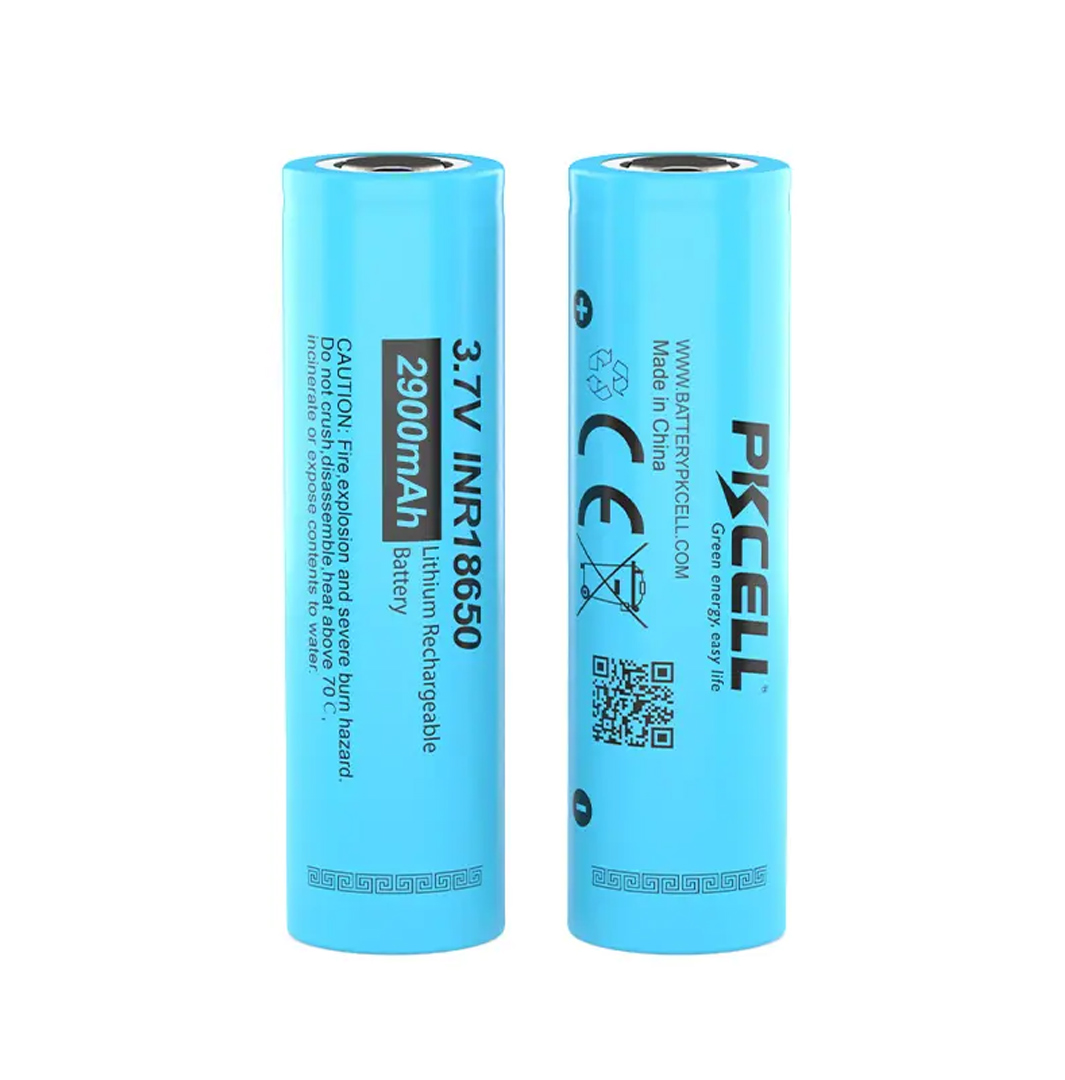

-
Wide Temperature AdaptabilityEngineered to perform reliably across the extreme thermal gradients of ocean environments — from scorching surface temperatures in tropical waters to near-freezing conditions at abyssal depths. Our deep-sea batteries maintain over 85% of rated capacity at 0°C and deliver stable performance from -20°C to +60°C, ensuring consistent power output regardless of deployment depth or climatic zone. Optional integrated thermal management systems with passive insulation and low-power heating further optimize performance in the coldest deep-water environments.
-
Deep Sea Pressure ResistanceBuilt to withstand the crushing hydrostatic pressures of the deep ocean, with depth ratings from 100 meters to over 6,000 meters. Our pressure-compensated design immerses cells in specialized dielectric insulating oil that equalizes internal and external pressure, eliminating casing deformation and structural failure at extreme depths. Rigid titanium and duplex stainless steel enclosure options provide additional mechanical protection, all verified through rigorous hydrostatic chamber testing before delivery.
-
Robust Safety ProtectionComprehensive multi-layer safety architecture designed for zero-failure tolerance in deep-sea missions where equipment loss is catastrophic. Each battery pack integrates an advanced BMS with cell balancing, overcharge/over-discharge protection, over-current protection, short-circuit protection, and real-time temperature monitoring. Redundant sealing systems, pressure relief mechanisms, and fault detection algorithms ensure safe operation even under the most demanding underwater condition
-
Stable Continuous DischargeOptimized for the variable load profiles of underwater vehicles and equipment — delivering steady, consistent power output across low-power standby modes, cruising speeds, and high-thrust propulsion bursts. Low internal resistance design minimizes voltage drop under high-current demand, ensuring stable supply for sensitive scientific instruments, HD cameras, and navigation systems. Deep-cycle optimized cell chemistry maintains capacity retention across thousands of charge-discharge cycles for long-term deployment reliability.


Vous devez tenir compte des éléments suivants l'information lorsque vous voulez customize the marine deep diving equipment battery
-
What depth can PKCELL deep-sea batteries operate at?
Our deep-sea battery solutions are available in depth ratings ranging from 100 meters for shallow-water applications to over 6,000 meters for full ocean depth missions. The pressure-compensated oil-filled design can theoretically operate at any depth, while our titanium-housed systems are pressure-rated to specific depth specifications verified through hydrostatic testing.
-
How does pressure compensation technology work?
Pressure compensation works by immersing the battery cells and internal components in a specialized dielectric insulating oil within a flexible or semi-rigid enclosure. As external hydrostatic pressure increases with depth, the oil transmits this pressure evenly to all internal components, equalizing internal and external pressure. This eliminates the stress differential that would otherwise cause rigid enclosures to deform or collapse, allowing the battery to operate safely at extreme depths.
-
Can deep-sea batteries be charged underwater?
Yes, PKCELL offers underwater charging solutions for permanent or semi-permanent subsea installations. These systems use inductive charging technology or wet-mateable connectors to enable battery recharging without recovery to the surface. Underwater charging is particularly valuable for ocean observatories, permanent monitoring stations, and AUV docking stations where frequent recovery is impractical.
-
What is the expected service life of deep-sea battery systems?
The service life depends on the specific application, depth profile, and discharge conditions. Typically, our deep-sea lithium-ion battery systems provide 1,000+ full depth cycles with capacity retention above 80%. For shallow-water applications with less stress on sealing and structural components, service life can exceed 2,000 cycles. Proper maintenance, including periodic inspection of seals and connectors, is essential for maximizing service life.

Processus de personnalisation
Processus de personnalisation
-
Analyse de faisabilité et projet
Initiation -
Conception et examen des produits
-
Validation et révision de la conception
-
Test d'échantillons
-
Production de masse
-
Livraison et acceptation