
Exhibition News
PKCELL Hong Kong Autumn Electronics Fair 2026 Exhibition Summary
Ott 19, 2026
Lasciate una richiesta per una consulenza gratuita

Electric kayaks are transforming the fishing and touring world, offering a silent, eco-friendly way to explore the water. However, the performance of your motor is only as good as the power source behind it. If you are looking for the perfect balance of weight, power, and endurance, a 48V 40Ah Lithium (LiFePO4) battery is the gold standard for high-performance marine setups.
In this guide, we’ll explore why this specific configuration is the top choice for serious kayakers and what you should look for when upgrading your rig.
When powering an electric outboard or a high-thrust trolling motor, voltage and capacity are the two most critical metrics.
Consistent Power Delivery: Unlike traditional lead-acid batteries that suffer from “voltage sag” as they drain, lithium batteries maintain a steady voltage until the very end. This means your motor provides full thrust throughout your entire trip.
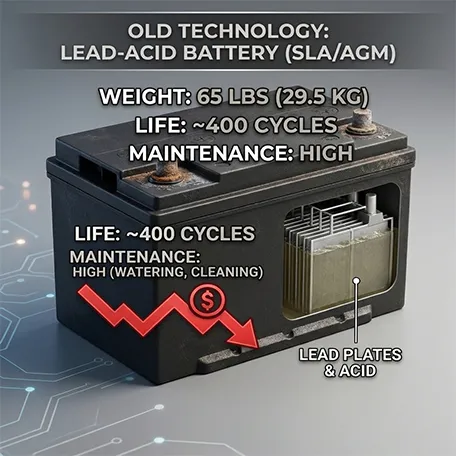
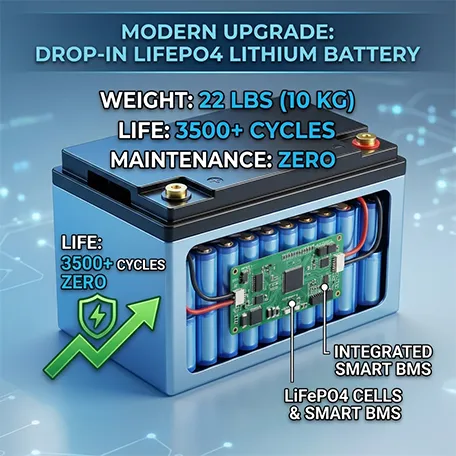
Massive Weight Savings: A 48V 40Ah lithium battery typically weighs between 12kg and 16kg. A lead-acid equivalent would require four heavy 12V batteries wired in series, weighing upwards of 60kg—enough to significantly impact your kayak’s buoyancy and speed.
Space Efficiency: Space is at a premium on a kayak. A single 48V 40Ah unit is compact enough to fit into most center consoles or rear storage hatches, leaving more room for your gear.
A 48V 40Ah battery provides a total energy capacity of 1.92 kWh. But what does that mean for your time on the water?
| Speed Setting | Average Current Draw | Estimated Runtime |
| Low (Trolling) | 4A – 6A | 7 – 10 Hours |
| Medium (Cruising) | 10A – 15A | 3 – 4 Hours |
| High (Full Throttle) | 20A – 30A | 1.5 – 2 Hours |
Not all lithium batteries are created equal. When shopping for a marine-grade power solution, ensure the battery includes:
The BMS is the “brain” of the battery. It protects against overcharging, deep discharge, and short circuits. For kayakers, look for a BMS that includes high-temperature cutoff to protect the cells during long summer days on the water.
Kayaking is a wet sport. An IP67-rated enclosure ensures that the battery is completely protected against dust and can withstand immersion in water up to 1 meter for 30 minutes.
Lithium Iron Phosphate (LiFePO4) is the safest lithium technology available. It is chemically stable, non-combustible, and offers a lifespan of over 3,000 to 5,000 cycles, lasting up to 10 times longer than traditional AGM batteries.
Check Motor Compatibility: Ensure your motor is rated for a 48V input. Using a 48V battery on a 12V or 24V system will cause permanent damage.
Secure the Load: Use a battery tray or heavy-duty straps. Even a lightweight lithium battery can become a projectile in rough water if not properly secured.
Use Marine-Grade Wiring: Use tinned copper wiring and heat-shrink connectors to prevent corrosion from salt air and moisture.
Upgrading to a 48V 40Ah Lithium battery is the single best performance upgrade you can make for an electric kayak. It extends your range, reduces your weight, and ensures that you spend more time fishing and less time worrying about your power levels.