
Blog
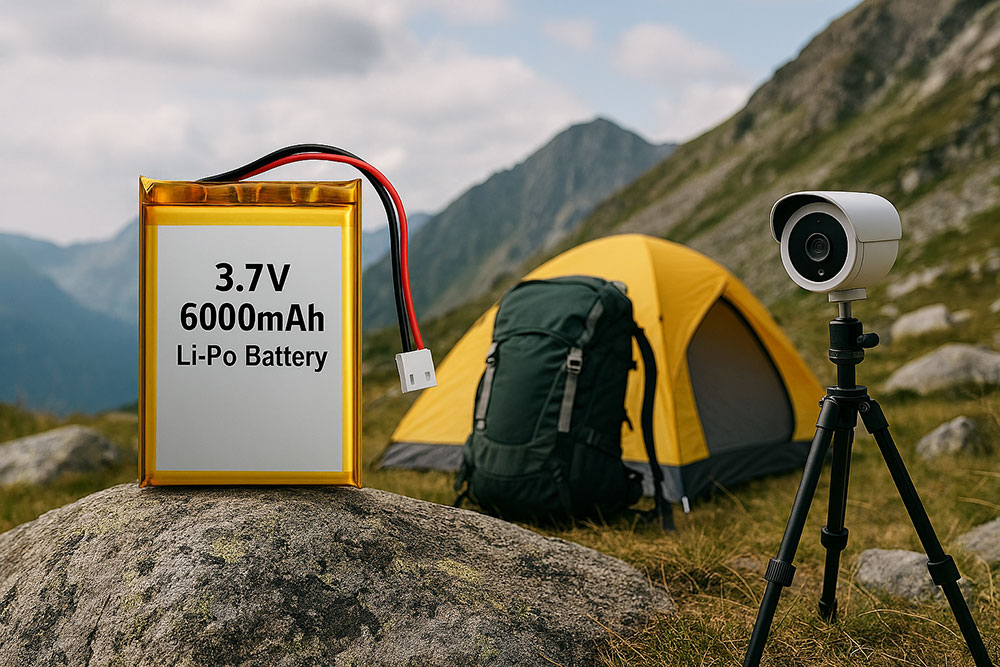
Why 3.7V 6000mAh Li-Po Battery Is Essential for Outdoor Equipment and Smart Monitoring Devices
Feb 27, 2026
Lasciate una richiesta per una consulenza gratuita

When comparing a Li-ion battery vs a lithium polymer battery, the core difference lies in electrolyte composition and structural design. Lithium-ion batteries typically use a liquid electrolyte enclosed in a rigid metal casing, while lithium polymer batteries rely on a gel-like or solid polymer electrolyte, allowing for lighter and more flexible form factors. Both chemistries deliver high energy density, but their mechanical structures influence safety, shape customization, and application suitability.
LiPoL (Lithium Polymer Lithium) batteries have gained traction due to their slim profile and lightweight construction. Unlike traditional cylindrical lithium-ion cells, LiPoL batteries can be manufactured in ultra-thin or irregular shapes, making them ideal for smartphones, wearable devices, drones, and medical equipment. Their design flexibility enables manufacturers to optimize internal space while maintaining stable performance.
In the debate of lithium-ion vs lithium polymer, energy density is a key consideration. Lithium-ion batteries generally offer slightly higher gravimetric energy density, making them suitable for applications that prioritize long runtime, such as power tools and electric vehicles. Lithium polymer batteries, while marginally lower in energy density, compensate with lighter weight and compact design, which is critical for portable and space-constrained devices.
Safety is often a deciding factor when choosing between a lithium polymer battery vs ion battery. Lithium polymer batteries are considered safer in many consumer electronics because their polymer electrolyte reduces the risk of leakage and can better tolerate minor physical deformation. Lithium-ion batteries, however, require robust protection circuits and thermal management systems to prevent overheating, especially in high-power applications.
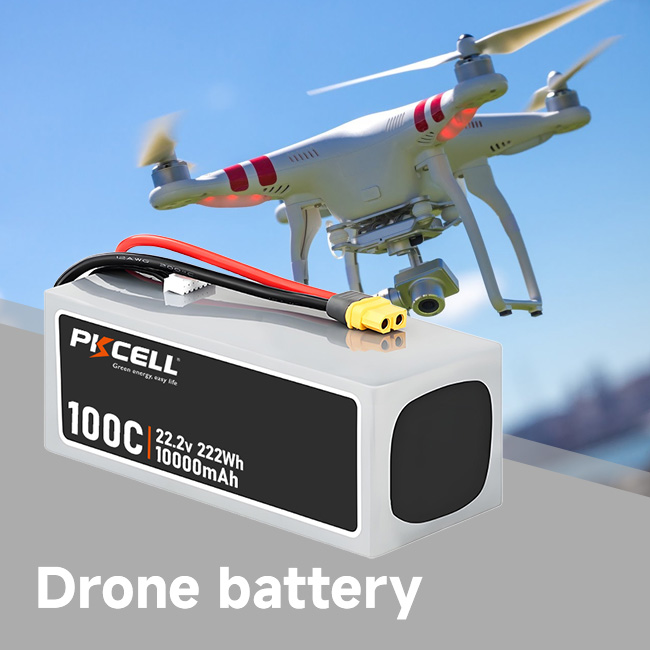
When comparing a polymer battery vs li-ion battery under high discharge rates, lithium polymer batteries typically handle rapid charge and discharge cycles more efficiently. This makes them popular in RC models, drones, and devices requiring burst power. Lithium-ion batteries, while capable of high current output, are better suited for steady, long-term energy delivery rather than frequent peak loads.
Why Choose a Custom Lithium Ion Battery for Industrial Applications?
A custom lithium-ion battery offers tailored voltage, capacity, size, and protection features to meet specific industrial or commercial requirements. Customization enables seamless integration into medical devices, energy storage systems, automation equipment, and IoT solutions. Compared to off-the-shelf cells, custom lithium-ion battery packs ensure higher reliability, compliance with certifications, and optimized performance across temperature ranges.
From a cost perspective, lithium-ion batteries benefit from mature manufacturing processes and large-scale production, resulting in lower unit costs. Lithium polymer batteries, while more expensive to produce due to specialized packaging and materials, justify their cost in applications where size, weight, and flexibility are critical. Choosing between lithium-ion vs lithium polymer often depends on whether cost efficiency or design freedom is the top priority.
The comparison of gel cell battery vs lithium highlights a significant generational shift in energy storage. Gel cell batteries, a type of lead-acid battery, are heavier, bulkier, and offer lower energy density. Lithium batteries—both lithium-ion and lithium polymer—provide longer cycle life, faster charging, and higher efficiency. As a result, lithium technology is increasingly replacing gel cell batteries in mobility, backup power, and renewable energy systems.
When evaluating longevity, lithium-ion batteries typically deliver a higher number of charge cycles compared to gel cell batteries and many traditional chemistries. Lithium polymer batteries also offer excellent cycle life when properly managed. Additionally, lithium-based batteries support more sustainable energy usage due to higher efficiency, reduced maintenance, and compatibility with modern battery management systems (BMS).
Selecting between lithium-ion and lithium polymer depends on application requirements such as capacity, size, weight, discharge rate, safety, and cost. Lithium-ion batteries are ideal for energy-intensive and cost-sensitive projects, while lithium polymer batteries excel in compact, lightweight, and high-performance designs. Consulting with a professional battery manufacturer ensures the right chemistry and configuration for optimal results.
As industries evolve toward smarter, lighter, and more efficient devices, lithium battery technology continues to dominate the market. Whether choosing lithium ion, lithium polymer, or a custom lithium ion battery solution, businesses benefit from improved performance, scalability, and reliability. Compared to legacy systems like gel cell batteries, lithium batteries represent the future of portable and industrial energy storage.