LiPo4 Battery
Advanced Wide-Temp
LiFePO4 Technology
Engineered for extreme reliability where standard lithium batteries fail. Operating seamlessly from -50°C to +80°C for global industrial deployment.
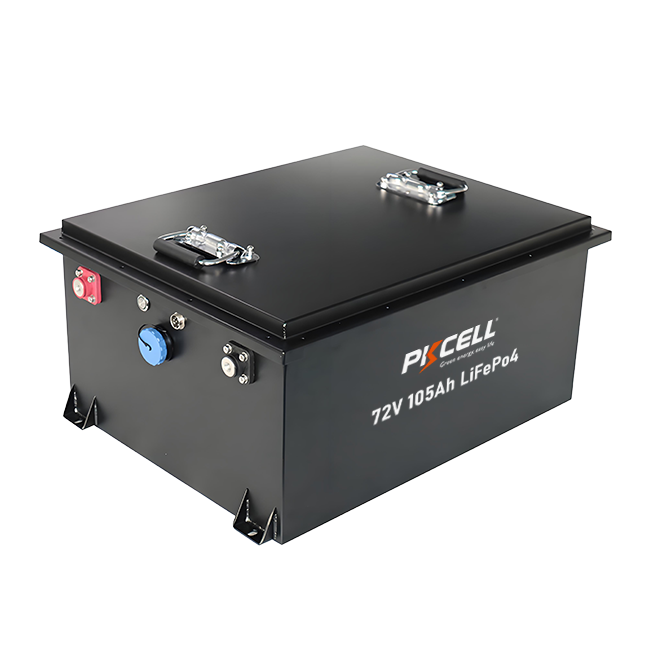
Critical Mission Applications
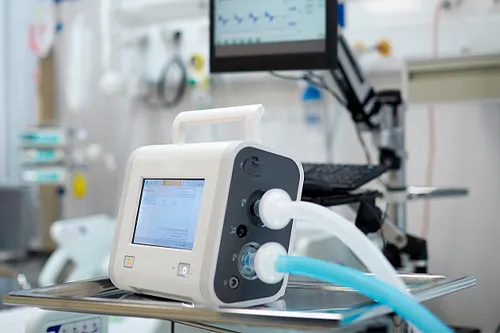
Portable ventilators
Reliable, safe LiFePO4 power ensures continuous respiratory support for patients during emergency transport, hospital transfers, and essential home care.
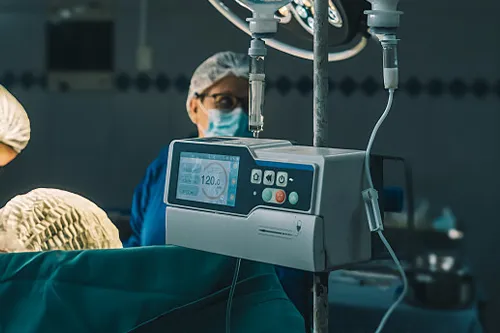
Infusion-pumps
High-stability LFP batteries provide precise, long-lasting energy for critical medication delivery in clinical environments and mobile healthcare settings.
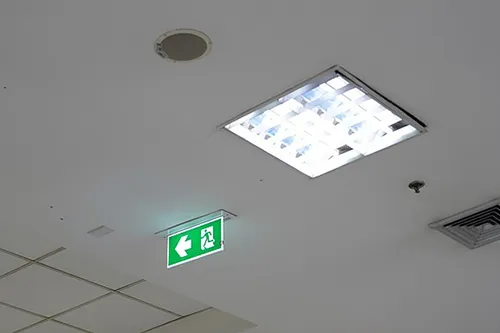
Emergency-lighting-systems
Maintenance-free LiFePO4 cells guarantee immediate, high-intensity illumination during power outages, ensuring safety in commercial and industrial buildings.
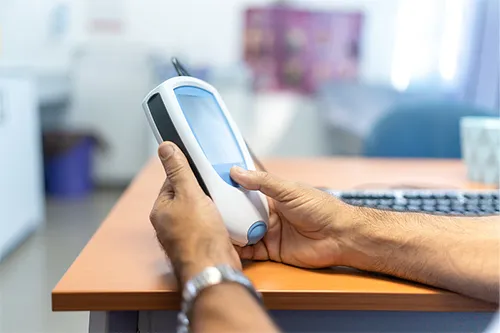
Mobile-diagnostic-equipment
Lightweight, fast-charging LFP solutions power portable ultrasound and imaging devices, enabling efficient point-of-care diagnostics and patient monitoring.
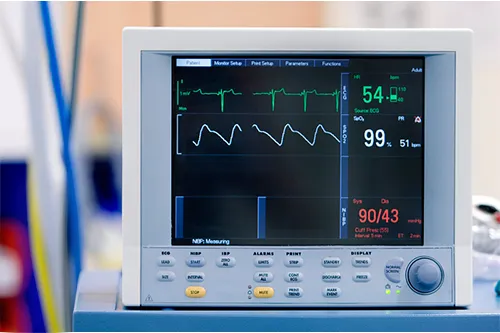
Aerospace & Defense
LiFePO4 batteries offer safe, thermal-stable, and high-cycle power for military communication, UAVs, rugged ground vehicles, and mission-critical aerospace electronics.

Outdoor ESS
Eliminates the need for expensive HVAC in solar energy storage across desert regions.
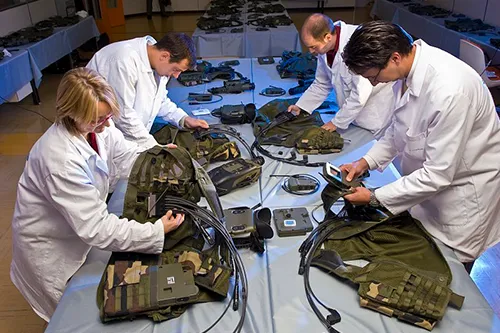
Silent Watch
LiFePO4 batteries deliver high safety, thermal stability, and long-cycle power for military communication, tactical vehicles, and mission-critical defense electronics.
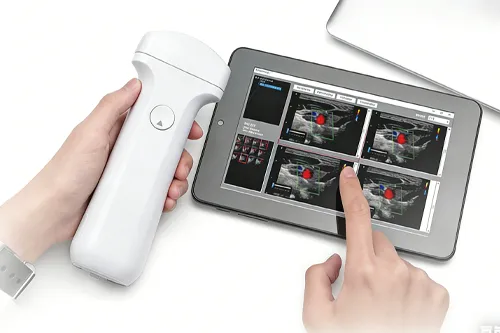
Portable-ultrasound-devices
LFP batteries provide stable, safe, and fast-charging power for portable ultrasound, ensuring high-resolution imaging and efficient point-of-care diagnostics.
Technical Benchmarking
| Feature | Industrial Wide-Temp | Standard Solution |
|---|---|---|
| Discharge Limit | -50°C to +80°C | -20°C to +60°C |
| Charge Capability | -30°C Supported | 0°C Minimum |
| Energy @ -40°C | 75% ~ 80% | Unavailable |
| Cycle Stability | 2000+ Cycles | Decreased in Cold |
Learn more about our manufacturing standards and laboratory certifications.
Why Wide-Temp Matters?
Standard LiFePO4 batteries suffer from electrolyte freezing and high internal resistance in cold weather. Our specialized industrial solutions utilize a proprietary electrolyte and nano-scale electrode materials to maintain ionic conductivity even in polar conditions.
- Enhanced Safety: High thermal stability.
- Wide Scalability: From 12V to 700V packs.
- Global Compliance: UN38.3, CE, IEC certified.
-FAQ-
1. Why are LiFePO4 batteries suitable for medical and humanitarian equipment?
Lithium iron phosphate (LiFePO4) batteries are widely used in medical and humanitarian power systems because they offer high safety, long cycle life, and stable power output. Compared with traditional lead-acid batteries, LiFePO4 batteries are lighter, more durable, and require less maintenance, making them ideal for field hospitals, emergency shelters, and mobile medical equipment
2. What medical devices can use LiFePO4 battery systems?
LiFePO4 batteries can power a wide range of medical equipment, including portable ventilators, infusion pumps, patient monitoring systems, portable ultrasound devices, emergency lighting systems, and mobile diagnostic equipment, etc.
3. Why is battery safety important in medical environments?
Lithium iron phosphate (LiFePO4) batteries are widely used in medical and humanitarian power systems because they offer high safety, long cycle life, and stable power output. Compared with traditional lead-acid batteries, LiFePO4 batteries are lighter, more durable, and require less maintenance, making them ideal for field hospitals, emergency shelters, and mobile medical equipment
4. How long do LiFePO4 batteries typically last?
LiFePO4 batteries typically offer a cycle life of 2,000 to 5,000 charge cycles, depending on operating conditions. This lifespan is significantly longer than lead-acid batteries, which usually last around 300–500 cycles. The long lifespan reduces maintenance costs and ensures reliable long-term power for critical equipment.