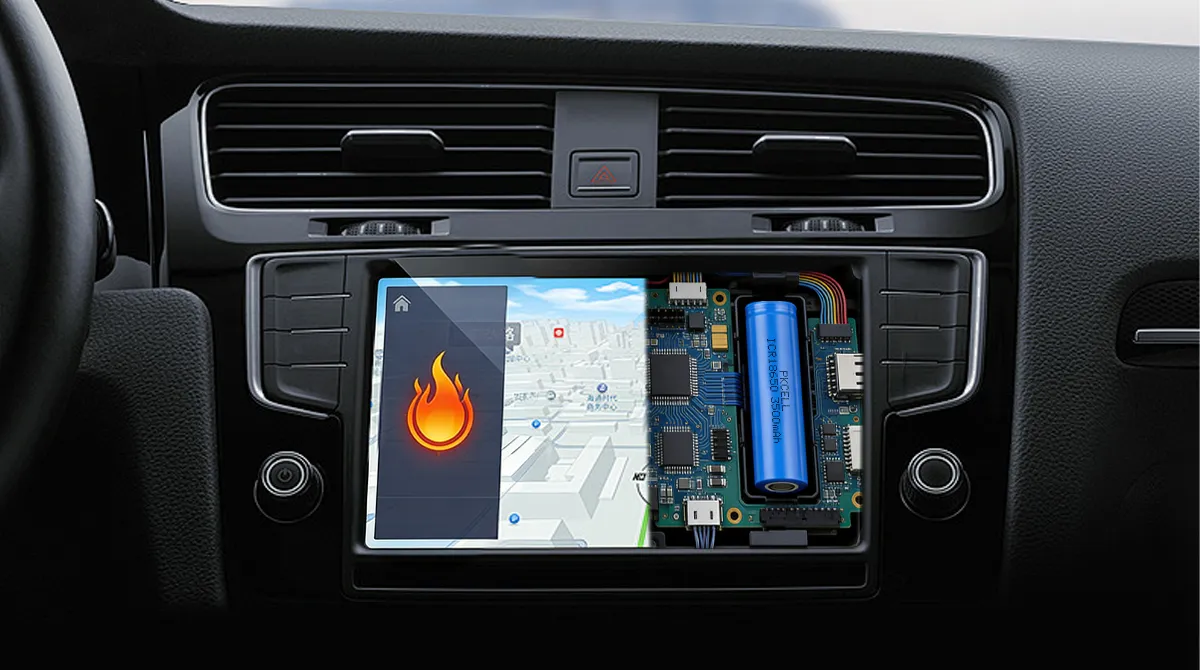
Vehicle GPS tracking devices are used in some of the toughest environments in the electronics industry. They must operate reliably under extreme heat, cold, vibration, and long‑term standby conditions. This is why choosing the right battery is critical. Among all available power solutions, the high-temperature 18650 battery for vehicle GPS has become the preferred option for automotive manufacturers, fleet operators, and GPS device brands.
In this article, we explore why high‑temperature 18650 batteries are ideal for vehicle GPS trackers, how protected 18650 Li‑ion batteries enhance safety, and why long‑life 18650 batteries are essential for modern GPS tracking devices.
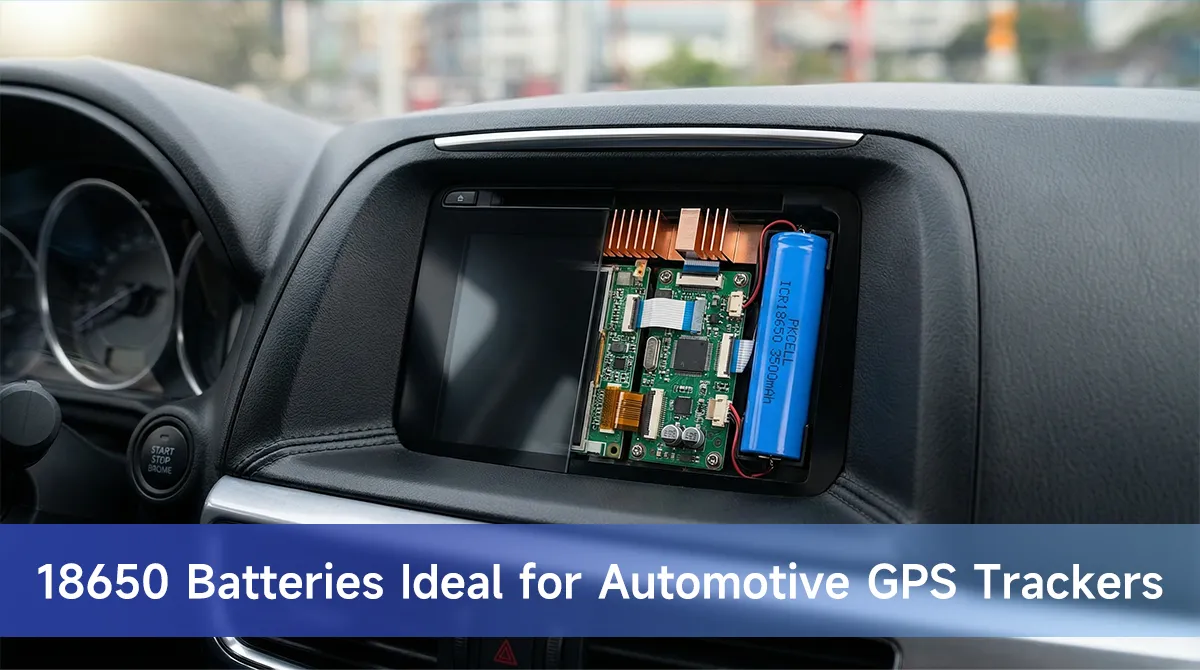
What Makes 18650 Batteries Ideal for Automotive GPS Trackers?
The 18650 lithium‑ion cell is widely used across consumer and industrial electronics due to its excellent balance of energy density, safety, and cost efficiency. For automotive GPS applications, these advantages become even more important. It’s a popular choice for automotive GPS trackers because they hit a sweet spot between performance, size, and reliability. Here’s what makes them particularly well-suited
Key advantages of 18650 batteries for GPS devices
- High energy density (2000–3500mAh)
18650 cells store a large amount of energy in a compact size
- Stable 3.6–3.7V nominal voltage
Automotive GPS trackers need a consistent voltage for accurate positioning and communication.
- Long cycle life (500–1500 cycles depending on chemistry)
500–2000+ charge cycles, reduced replacement frequency
- Compact cylindrical design suitable for small GPS housings
- Good performance in both low and high temperatures
- Low self‑discharge rate for long standby time
Because GPS trackers often operate 24/7, the battery must deliver stable performance even when the vehicle is parked for weeks. The 18650 cell’s high capacity ensures long‑term reliability.
Why Choose a High Temperature 18650 Battery for Vehicle GPS?
Automotive environments are extremely demanding. Inside a parked vehicle, temperatures can exceed 70°C in summer and drop below –20°C in winter. Standard lithium‑ion batteries cannot survive such conditions.
This is why GPS manufacturers prefer high-temperature 18650 batteries specifically engineered for automotive use.
High‑temperature performance features
- Operational temperature range: –20°C to +70°C (some models up to +85°C)
- Enhanced electrolyte formulation for thermal stability
- Lower internal resistance at high temperatures
- Improved safety under continuous load
- Longer lifespan in harsh outdoor environments
Where high‑temperature 18650 batteries are used
- Vehicle GPS trackers
- Fleet management systems
- Car rental tracking devices
- Logistics and cargo monitoring
- Anti‑theft GPS units
- OBD GPS devices
For companies deploying large GPS fleets, choosing high‑temperature 18650 batteries significantly reduces device failure rates and maintenance costs.
Why Protected 18650 Li‑ion Batteries Are Essential for Automotive GPS Trackers
Safety is a top priority in automotive electronics. A protected 18650 Li‑ion battery includes a built‑in protection circuit board (PCB) that prevents:
- Overcharge
- Over‑discharge
- Short circuit
- Over‑current
- Thermal runaway
Benefits of using protected 18650 batteries in GPS devices
- Stable operation during voltage fluctuations
- Safe charging from vehicle power systems
- Reduced risk of overheating or swelling
- Longer device lifespan
- Compliance with global safety standards (UN38.3, IEC62133, CE, RoHS)
Because GPS trackers are often installed in hidden or hard‑to‑reach areas, a protected battery ensures long‑term safety and reliability.
Why Long‑Life 18650 Batteries Are Critical for GPS Tracking Devices
A GPS tracker is only as reliable as its battery. Long‑life 18650 batteries are designed to deliver consistent performance over years of operation.
Characteristics of long‑life 18650 batteries
- High cycle life: 800–1500 cycles
- Low self‑discharge rate (<3% per month)
- Stable capacity retention
- High‑quality electrode materials
- Excellent durability under continuous standby mode
Common chemistries used in long‑life GPS batteries
| Chemistry |
Advantages |
Typical Use |
| NCM/NCA |
High capacity (3000–3500mAh) |
Long‑standby GPS trackers |
| LFP (LiFePO4) |
Ultra‑long cycle life, high safety |
Industrial GPS, fleet systems |
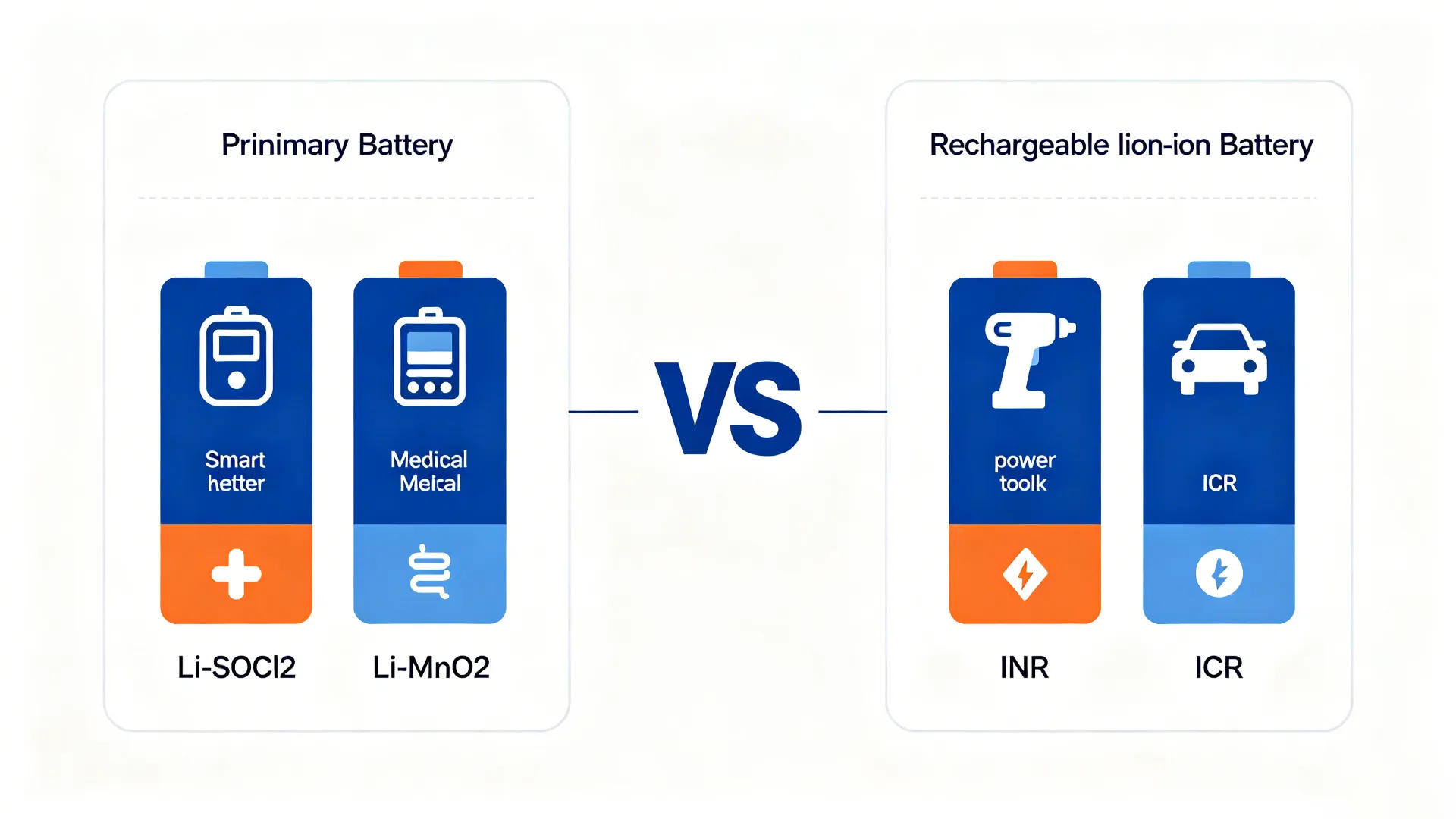
| INR/ICR |
Balanced performance |
Consumer GPS devices |
For GPS trackers that must operate for years without battery replacement — such as fleet vehicles, rental cars, or long‑distance logistics — long‑life 18650 batteries are the most cost‑effective solution.
How to Select the Best 18650 Battery for Your Vehicle GPS Tracker
When choosing a battery for automotive GPS applications, consider the following factors:
1. Temperature resistance
If the device will be used outdoors or inside vehicles, choose high‑temperature 18650 cells.
2. Capacity requirements
- Compact GPS trackers: 2000–2600mAh
- Long‑standby GPS trackers: 3000–3500mAh
3. Protection circuit
Always select protected 18650 Li‑ion batteries for safety.
4. Cycle life
For long‑term deployments, choose batteries with 800+ cycles.
5. Certification
Ensure compliance with:
- UN38.3
- MSDS
- IEC62133
- CE/RoHS
6. Brand reliability
Top global 18650 cell manufacturers include:
- Panasonic
- Samsung
- LG
- Molicel
- PKCELL (customized GPS battery packs)
Conclusion: Why the Future of GPS Tracking Depends on High‑Performance 18650 Batteries
As GPS tracking becomes essential for transportation, logistics, and vehicle security, the demand for reliable power solutions continues to grow. The high-temperature 18650 battery for vehicle GPS, combined with protected 18650 Li‑ion technology and long‑life performance, provides the ideal balance of safety, durability, and efficiency.
For GPS device manufacturers, automotive suppliers, and fleet operators, choosing the right 18650 battery ensures stable operation, reduced maintenance, and long‑term reliability.
Tags:
#18650-battery
#LithiumBatteryPack
#RechargeableBattery
#High Temperature 18650
#GPS Tracking Device
#cylindricalcellmanufacturing