

Blog
Understanding the 18650 Cylindrical Lithium-Ion Cell Basics
10 月 09, 2026
提出免费咨询请求

In the bustling halls of the 2026 Hong Kong exhibitions, the most critical innovations aren’t just found in large machinery, but in the compact, high-performance batteries powering our daily lives. As consumer electronics become thinner, smarter, and more integrated, the standard rechargeable lithium battery has undergone a quiet revolution in stability and energy efficiency.
In 2026, the demand for reliable consumer-grade power is driven by the “Triple-S” requirement: Slimness, Safety, and Stamina. With the global consumer battery market reaching new heights, manufacturers are focusing on the products that drive the 3C (Computer, Communication, and Consumer Electronics) sector.
For retail brands and electronics assembly, these specifications represent the 2026 “Gold Standard” for stability and performance:
| 电池类型 | Primary Application | Key Advantage | Standard Cycle Life |
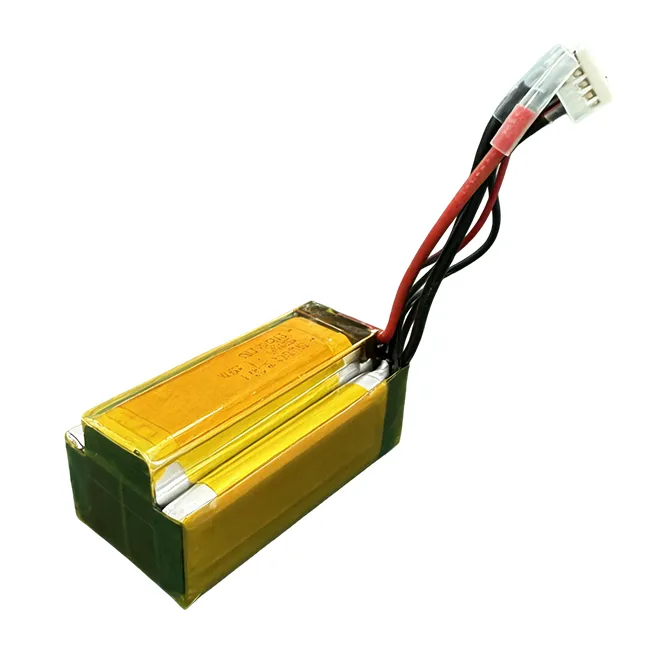
| Slim Li-Polymer | Smartwatches, TWS Earbuds | Extreme thinness (down to 0.8mm) | 500+ Cycles |
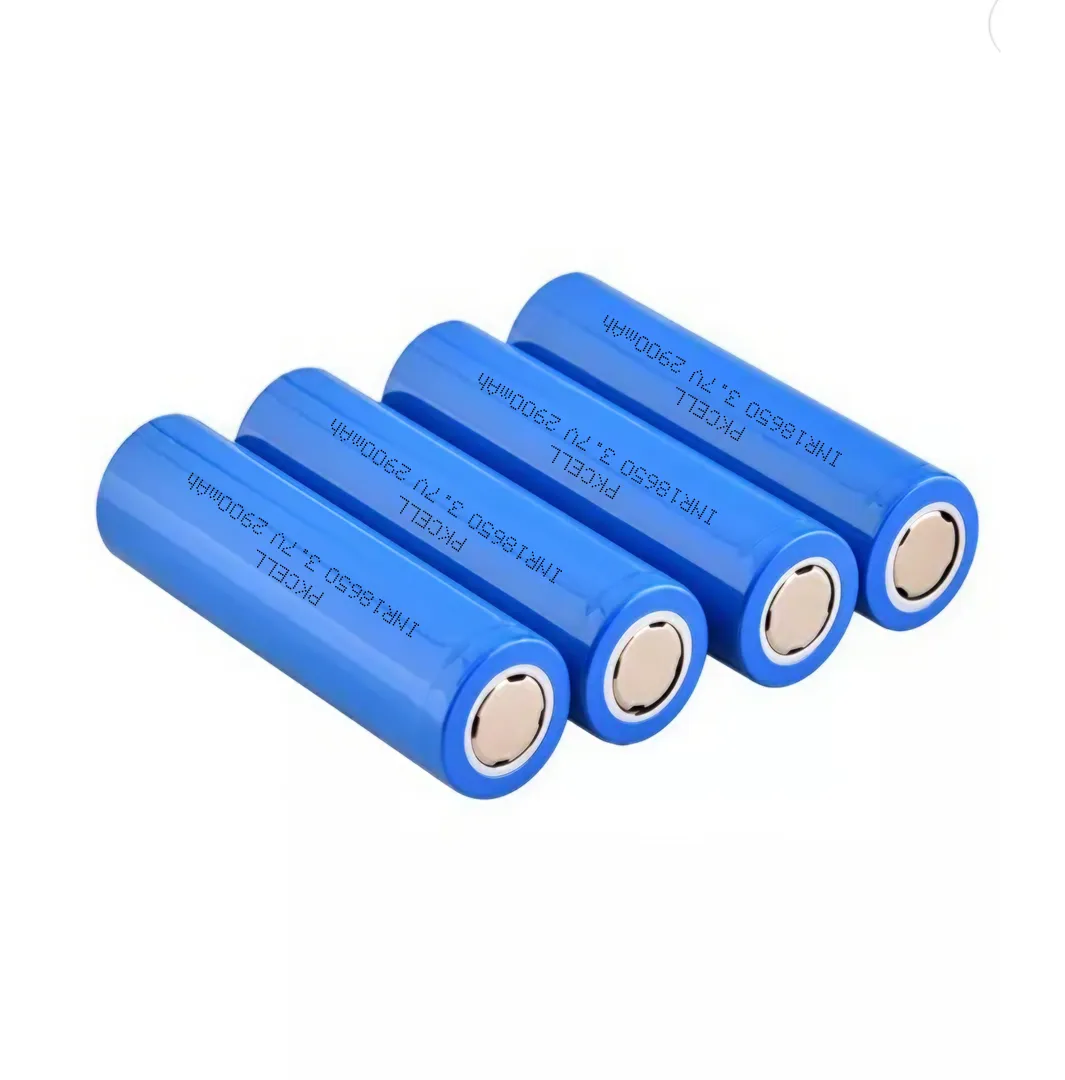
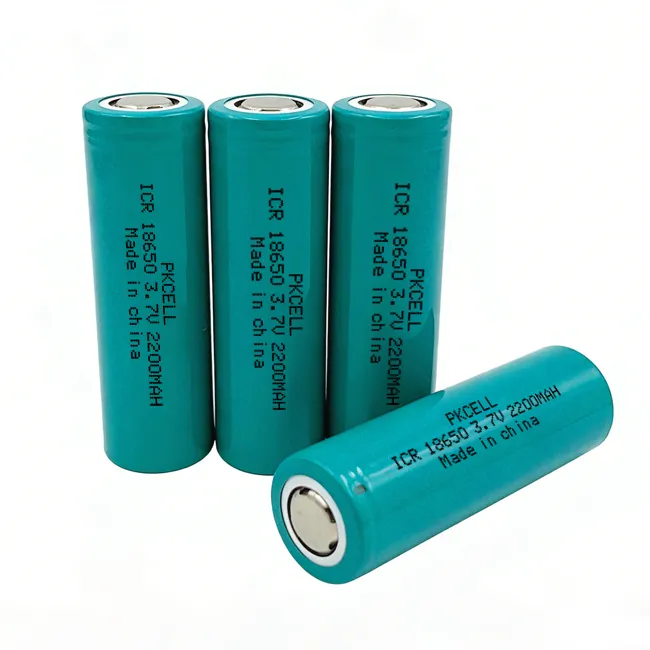
| High-Cap 18650 | Portable Fans, Beauty Tools | Cost-effective, robust housing | 1,000+ Cycles |
| Cylindrical 14500 | Smart Locks, Electric Toothbrushes | AA-size compatibility with Li-ion power | 800+ Cycles |
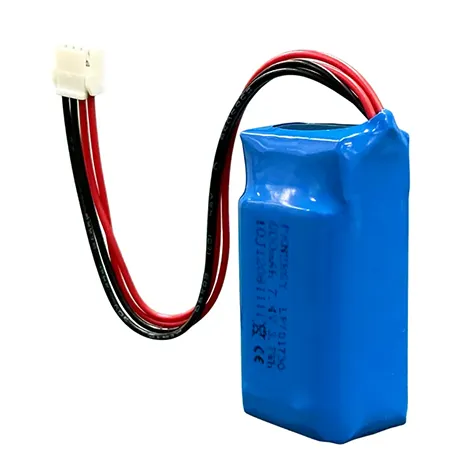
| Custom Soft Pack | Foldable Phones, Tablets | High volumetric energy density | 600 – 800 Cycles |
The trend for 2026 is High-Voltage (4.4V – 4.45V) small-scale cells. By increasing the voltage plateau, manufacturers are squeezing 15% more runtime into the same footprint for smart rings and fitness trackers, ensuring users can go a full week without a recharge.
From video doorbells to smart kitchen scales, the focus is on Low Self-Discharge (LSD) technology. 2026 standard rechargeable cells can now retain 90% of their charge after one year of standby, making them a sustainable and convenient replacement for disposable alkaline batteries.
Standardized 18650 and 14500 cells have become the reliable backbone for high-end hair tools and facial massagers. The 2026 generation of these batteries features Enhanced Thermal Management, ensuring the device remains cool in the hand even during prolonged use.
Q: Can I replace standard alkaline AA batteries with your rechargeable 14500 cells?
A: While the size is similar, 14500 Li-ion cells have a higher voltage (3.7V vs 1.5V). They are ideal for devices specifically designed for lithium power, like modern smart locks and beauty tools, offering much longer runtimes and rechargeability.
Q: What makes “4.45V High-Voltage” batteries different from standard 3.7V cells?
A: High-voltage cells allow for higher energy density. This means for slim devices like smartphones or tablets, you get significantly more battery life without increasing the physical size or weight of the device.
Q: Are these batteries safe for home-use consumer products?
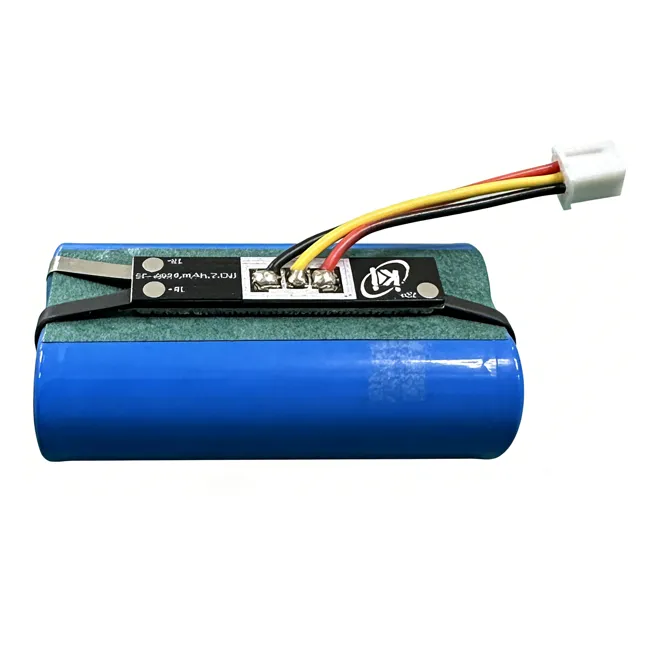
A: Absolutely. All our standard consumer cells include a Protection Circuit Module (PCM) that prevents the most common issues: over-charging, over-discharging, and short-circuiting.
Q: What is the shelf life of your standard rechargeable cells?
A: Our 2026 standard cells feature advanced electrolyte stability, maintaining over 80% capacity even after 2 years of storage in a cool, dry environment.
When evaluating suppliers at the fair, prioritize those who provide UN38.3, CE, and RoHS 2.0 certifications. For the consumer market, the focus is not just on capacity, but on the consistency of the internal resistance (IR) across batches, which ensures a uniform user experience for your retail customers.
 |
 |
 |
 |
 |
Visit our booth to see our latest “Slim-Series” Li-Po cells designed specifically for the next generation of 3C electronics.
#RechargeableLithium#LiPoBattery#SmartHome#Wearables#PersonalCareUN38.3Certified